

Electric Vehicle EV charging has become a pivotal aspect of the automotive industry, and the Garage Equipment Association in the UK and Europe plays a crucial role in defining its dynamics. This article delves into the comprehensive outline of EV charging, shedding light on the innovative strategies implemented by the association for a sustainable future.
EV Charging Landscape in the UK and Europe:
EV Charging Infrastructure Development:
In this section, we explore the strides taken by the Garage Equipment Association to develop a robust EV charging infrastructure. From urban centers to rural landscapes, the association ensures a comprehensive network to support the growing demand for sustainable transportation.
Types of EV Charging Stations:
Delving into the specifics, this part elucidates the different types of EV charging stations advocated by the Garage Equipment Association. Whether it’s home charging, workplace charging, or public stations, understanding these distinctions is crucial for a seamless EV charging experience.
Integration of Renewable Energy Sources:
As we move towards a greener future, the association’s commitment to integrating renewable energy sources into EV charging stations is pivotal. This section explores the environmental benefits and long-term sustainability goals achieved through this innovative approach.
Technical Aspects of EV Charging Protocols and Standards
Unraveling the complexities, this part explains the various charging protocols and standards endorsed by the Garage Equipment Association. Standardization ensures compatibility and efficiency in EV charging, contributing to a streamlined user experience.
Smart Charging Solutions:
The association’s emphasis on smart charging solutions is transforming the EV landscape. This section details how intelligent technologies are employed to optimize charging processes, making them more efficient, cost-effective, and user-friendly.
Battery Technologies and Charging Speed:
Diving into the technical nuances, we explore the advancements in battery technologies and their impact on charging speed. The Garage Equipment Association’s role in promoting faster charging options is vital for enhancing the practicality of electric vehicles.
Charging Process Demystified:
This pivotal section breaks down the intricacies of Electric Vehicle Charging, offering a step-by-step guide. From plugging into the moment the Electric Vehicles is ready to roll, understanding this process is fundamental for both seasoned EV enthusiasts and newcomers.
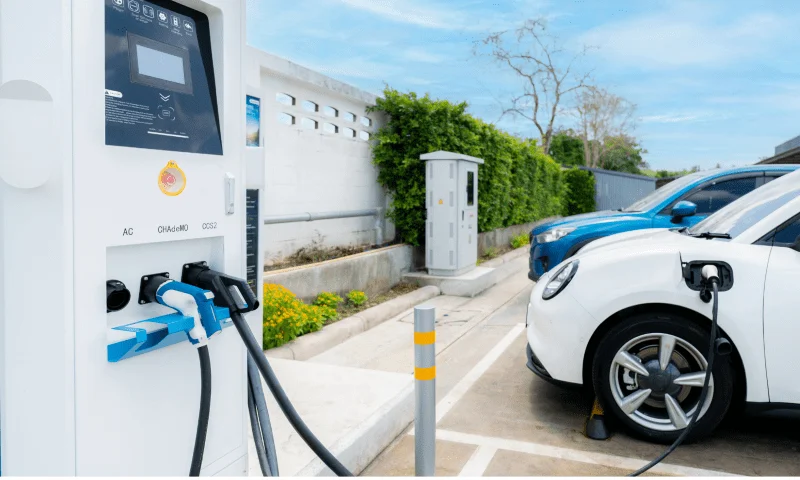
How Do Public EV Charging Stations Work?
Public Electric Vehicle (EV) charging stations work by providing a convenient and accessible location for EV owners to recharge their vehicles. Here’s a breakdown of how public Electric Vehicle Charging stations generally operate:
Location and Accessibility:
Public charging stations are strategically placed in various locations such as parking lots, shopping centers, highways, and urban areas to provide EV owners with easy access to charging infrastructure.
Charging Station Types:
Public charging stations come in different types, including Level 2 chargers (240V) and DC fast chargers. The specific type of charging station determines the charging speed.
Network and Accessibility Apps:
Many public charging stations are part of charging networks operated by companies or utilities. Users can often locate and access these stations using dedicated mobile apps, websites, or RFID cards provided by the charging network.
Authentication:
Users typically need to authenticate themselves to use public charging stations. This can be done through the charging network’s mobile app, RFID card, or other authentication methods. Authentication ensures that only authorized users can access the charging infrastructure.
Connector Compatibility:
Public charging stations support various connector types to accommodate different electric vehicle models. Common connector standards include CHAdeMO, CCS (Combined Charging System), and Tesla Supercharger connectors.
Payment and Billing:
Public charging stations may have different payment models. Some use pay-as-you-go models, where users pay for the energy consumed during the charging session. Others offer subscription plans or memberships. Payment can be processed through the mobile app, RFID card, or other methods.
Charging Process:
Once authenticated and payment is confirmed, the user plugs the charging cable into their electric vehicle. Communication between the vehicle and the Electric Vehicle Charging station ensures compatibility and establishes the appropriate charging parameters.
Charging Session Monitoring:
During the charging session, users can monitor the progress through the charging network’s app or other interfaces. Some charging stations may also provide real-time charging information on displays at the station.
Session Completion and Disconnect:
When the Electric Vehicle Charging session is complete or the user decides to stop charging, they disconnect the charging cable from their vehicle. The charging station records the session’s energy usage for billing purposes.
Electric Vehicle (EV) charging involves supplying electrical energy to recharge the battery of an electric vehicle. There are different types of chargers, and the charging process varies based on the charger’s power level and the capabilities of the electric vehicle. Here’s a general overview of how Electric Vehicle Charging works:
Types of Chargers:
Level 1 (120V):
This is the standard household outlet. It provides the slowest charging rate and is suitable for overnight charging.
Level 2 (240V):
These chargers are commonly found in public charging stations and can charge an EV faster than Level 1 chargers.
DC Fast Charging (Direct Current):
These chargers provide high power levels and can charge an EV rapidly. They are typically found at public charging stations and are ideal for quick top-ups during long journeys.
Charging Connector Types:
Type 1 and Type 2 (AC):
Common in Europe and some other regions.
CHAdeMO, CCS (Combined Charging System), and Tesla Supercharger (DC):
Common in North America and other regions.
Charging Process:
Plug-in:
The user plugs the charging cable into the electric vehicle’s charging port.
Authentication:
Some charging stations may require user authentication, either through a mobile app, RFID card, or other means.
Communication:
The charging station and the Electric Vehicles communicate to ensure compatibility and establish the Electric Vehicle Charging parameters.
Power Flow:
Once authenticated and communication is established, power begins to flow from the Electric Vehicle Charging station to the vehicle’s battery.
Charging Modes:
Mode 1:
Slow charging using a standard household outlet.
Mode 2:
Slow charging with additional safety features like a dedicated charging cable with integrated control and protection.
Mode 3:
Faster charging using a dedicated charging station with a specific charging cable.
Mode 4:
Fast charging with a specialized connector directly connected to the vehicle’s battery.
Charging Standards:
Different regions and manufacturers may use different charging standards. Common standards include CHAdeMO, CCS, and Tesla’s proprietary Supercharger network.
FAQs: What You Need to Know:
How long does it take to charge an electric vehicle at a public station?
Charging times vary, but on average, it takes around 30 minutes to charge an electric vehicle to 80% capacity at a public station, thanks to fast-charging technologies promoted by the Garage Equipment Association.
Can I charge my electric vehicle at home?
Absolutely. Home charging is convenient and accessible. The association encourages the installation of residential charging stations, providing a hassle-free solution for EV owners.
Are EV charging stations compatible with all-electric vehicles?
Yes, the Garage Equipment Association advocates for universal compatibility. Charging stations adhere to standardized protocols, ensuring they are compatible with a wide range of Electric Vehicles models.
Is renewable energy used in all EV charging stations?
While not mandatory, the association promotes the integration of renewable energy sources in charging stations for a more sustainable and eco-friendly approach.
What safety measures are in place at EV charging stations?
Safety is paramount. The association mandates strict safety measures at charging stations, including regular maintenance checks and compliance with international safety standards.
How is the Garage Equipment Association contributing to the future of EV charging?
The association actively participates in research, development, and advocacy to advance Electric Vehicle Charging technologies, ensuring a progressive and sustainable future for electric mobility.
Conclusion:
In conclusion, the GEA in the UK and Europe stands as a driving force behind the evolution of EV charging. This comprehensive guide unravels the complexities, highlighting the association’s commitment to shaping a greener and more sustainable future in the realm of electric vehicles.