

Optimizing Emissions Testing with Diesel Smoke Meter (DSM 2024) Opacimeter MP-0.1 Smokemeter – GEA Guide for UK and Europe Residents:
Welcome ultimate guide Diesel Smoke Meter (DSM 2024) Opacimeter MP-0.1 Emissions Testing, tailored specifically UK Europe residents. As environmental regulations become increasingly stringent, it’s vital for vehicle owners and testing facilities to understand and comply with emission standards. This guide Garage Equipment Association delve into the intricacies of emissions testing using the latest technology, ensuring that you’re equipped to navigate the process seamlessly. Beginning from their inception to their current standing, GEA will thoroughly examine our Technical Services across all dimensions to ensure a complete understanding and you can Explore Our Related DSM Articles for better needs for your vehicles.
Understanding Diesel Smoke Meter (DSM 2024) Opacimeter MP-0.1 in United Kingdom:
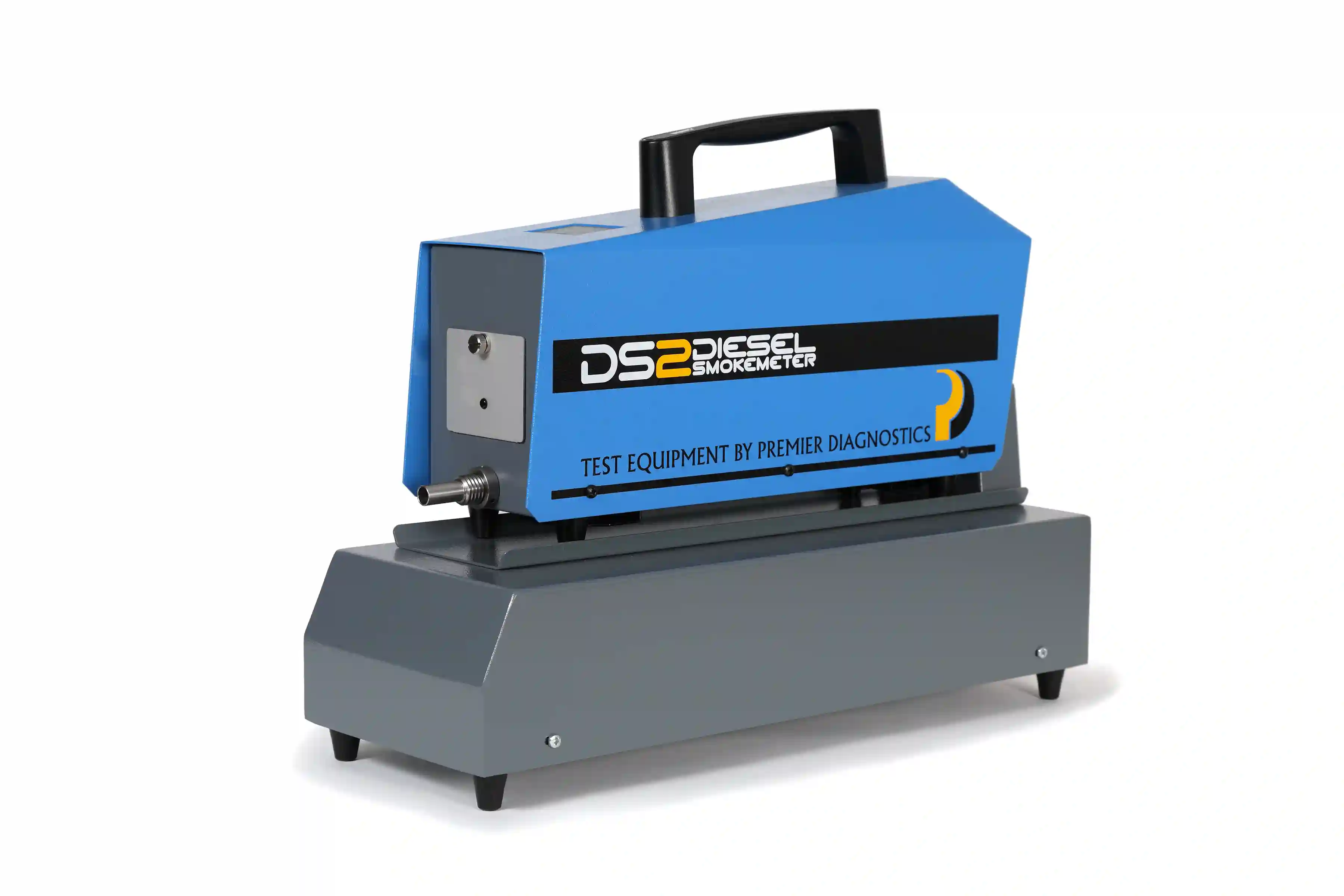
In this section, we’ll explore the functionality and significance of the Diesel Smoke Meter (DSM 2024) Opacimeter MP-0.1 in emissions testing. From its basic operation to its role in measuring particulate emissions, we’ll cover everything you need to know about this essential tool.
Diesel Smoke Meter (DSM) Key Components of Emissions Testing in UK:
Delve into the key components involved in Diesel Smoke Meter (DSM 2024) Opacimeter MP-0.1 Emissions Testing, including sample collection, data interpretation, and compliance assessment.
Ensuring Accuracy and Precision in Europe:
Discover strategies for ensuring the accuracy and precision of Diesel Smoke Meter (DSM 2024) Opacimeter MP-0.1 emissions testing. From calibration procedures to quality control measures, learn how to optimize testing conditions for dependable results.
Navigating Regulatory Requirements in United Kingdom and Europe:
This section will guide you through the regulatory landscape governing emissions testing in the UK and Europe. Stay informed about the latest directives and standards to ensure compliance and avoid potential penalties.
Best Practices for Testing Facilities:
Explore best practices for testing facilities conducting Diesel Smoke Meter (DSM 2024) Opacimeter MP-0.1 emissions testing. From staff training to equipment maintenance, discover strategies for optimizing operational efficiency and maintaining regulatory compliance.
Understanding Emission Control Technologies:
Gain insights into the latest emission control technologies designed to mitigate Electric Vehicle emissions. From exhaust after-treatment systems to fuel additives, learn about innovative solutions for reducing environmental impact.
Addressing Common Challenges:
Identify address common challenges encountered Diesel Smoke Meter (DSM 2024) Opacimeter MP-0.1 emissions testing.. From equipment malfunctions to procedural errors, learn how to troubleshoot issues effectively.
Optimizing Data Analysis:
Explore GEA Techniques and Advices for optimizing data analysis in Diesel Smoke Meter (DSM 2024) Opacimeter MP-0.1 emissions testing. From statistical analysis to trend identification, discover methods for extracting valuable insights from testing data.
Training and Certification Programs:
Discover training and certification programs available for individuals involved in Diesel Smoke Meter (DSM 2024) Opacimeter MP-0.1 emissions testing. Enhance your skills and expertise to ensure proficiency in conducting accurate and reliable emissions tests.
The Future of Diesel Smoke Meter Emissions Testing:
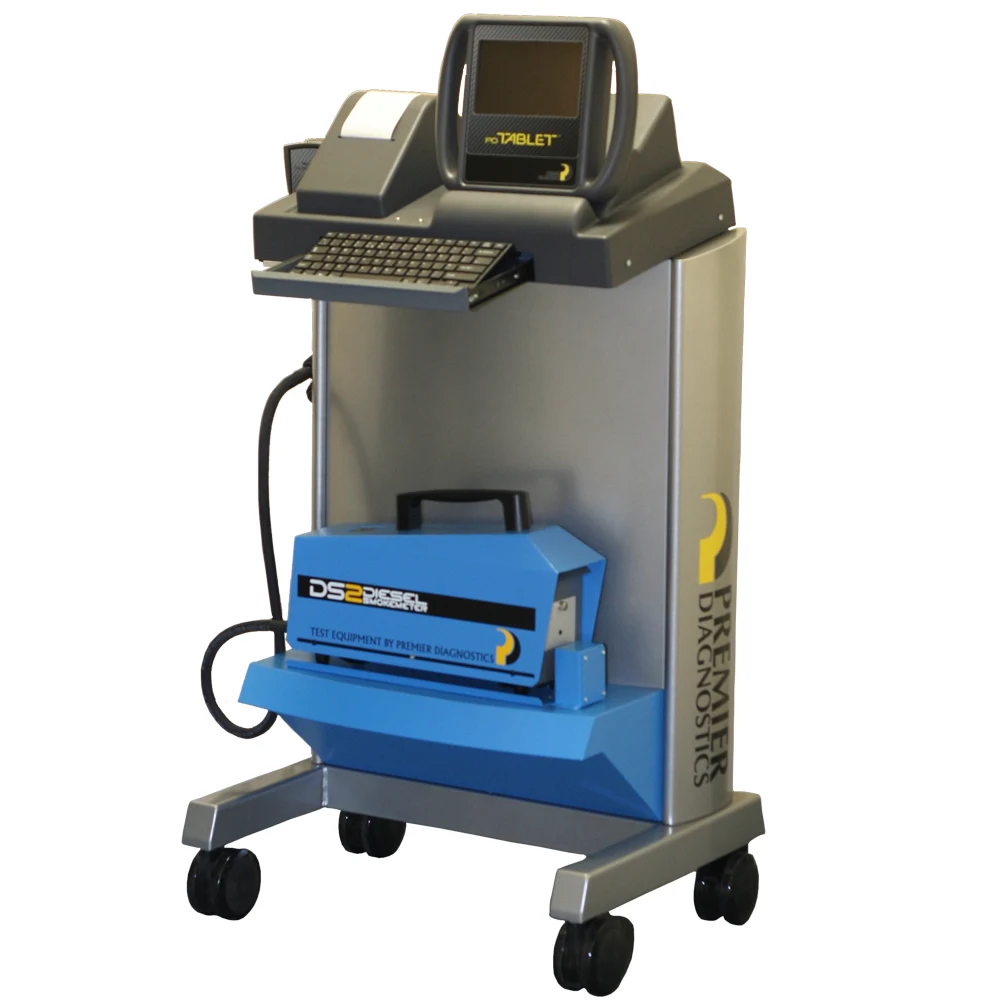
Explore emerging trends and technologies shaping the future of emissions testing. From advancements in sensor technology to predictive analytics, discover how the landscape of emissions testing is evolving.
Exploring New Diesel Smoke Meter Technologies in Emissions Testing:
In this section, we’ll delve into the latest advancements in emissions testing technologies. From remote sensing devices to portable analyzers, discover how these innovative tools are revolutionizing the way emissions testing is conducted.
Remote Sensing Devices: Revolutionizing Emissions Testing:
Remote sensing devices represent a groundbreaking approach to emissions testing, allowing for non-invasive measurement of vehicle emissions in real-world driving conditions. By analyzing exhaust plumes as vehicles pass by, these devices provide valuable data on emissions levels, enabling regulators to identify high-emission vehicles more efficiently.
Portable Analyzers: Enhancing On-Site Testing Capabilities:
Portable analyzers offer testing facilities the flexibility to conduct on-site emissions testing quickly and efficiently. These compact devices are equipped with advanced sensors capable of measuring various pollutants, providing instant feedback on vehicle emissions performance. With their ease of use and portability, portable analyzers are becoming indispensable tools for emissions testing professionals.
Integration of Artificial Intelligence: Improving Accuracy and Efficiency:
Artificial intelligence (AI) is increasingly being integrated into emissions testing systems to enhance accuracy and efficiency. By leveraging machine learning algorithms, AI-powered analyzers can analyze testing data more effectively, identify trends, and predict potential issues. This integration improves reliability emissions testing results streamlines testing process saving time resources.
Enhancing Public Awareness and Engagement of Diesel Smoke Meter (DSM 2024):
Effective emissions testing regulatory compliance crucial role raising public awareness fostering community engagement. By sharing emissions testing data with the public, authorities can empower citizens to make informed decisions about vehicle emissions and encourage them to adopt environmentally friendly transportation options.
Investing in Sustainable Transportation of Diesel Smoke Meter Solutions:
Ultimately, emissions testing is part of a broader effort to promote sustainable transportation solutions and reduce the environmental impact of vehicle emissions. By investing in cleaner fuels, improving public transportation infrastructure, and incentivizing the adoption of low-emission vehicles, policymakers can create a more sustainable and environmentally friendly transportation system for future generations.
FAQs:
What is the significance of Diesel Smoke Meter (DSM 2024) Opacimeter MP-0.1 in emissions testing?
The Diesel Smoke Meter (DSM 2024) Opacimeter MP-0.1 plays a crucial role in measuring particulate emissions from diesel vehicles, providing essential data for regulatory compliance and environmental protection.
How often should Diesel Smoke Meter (DSM 2024) Opacimeter MP-0.1 be calibrated?
It’s recommended to calibrate the (DSM 2024) Opacimeter MP-0.1 regularly according to manufacturer guidelines and regulatory requirements, typically every six months to ensure accurate results.
What are the regulatory requirements for emissions testing in the UK and Europe?
Regulatory requirements for emissions testing in the UK and Europe vary depending on the specific jurisdiction and vehicle type. It’s essential to stay updated on the latest directives and standards to ensure compliance.
Can emissions testing help improve air quality?
Yes, emissions testing plays a vital role in identifying high-emission vehicles and enforcing regulations to reduce harmful pollutants, ultimately contributing to improved air quality and public health.
What are some common challenges facing during emissions testing?
Common challenges emissions testing equipment malfunctions, sample contamination, procedural errors Proper training, maintenance, and quality control measures can help mitigate these challenges.
How can testing facilities optimize operational efficiency?
Testing facilities can optimize operational efficiency by investing in staff training, adopting best practices for equipment maintenance, and implementing streamlined testing processes.
Conclusion:
In, Conclusion, Opacimeter MP-0.1 emissions testing is a critical component of regulatory compliance and environmental protection efforts in the UK and Europe. GEA understanding the intricacies of emissions testing and implementing best practices, stakeholders can ensure accurate results and contribute to a cleaner, healthier environment. The evolution of emissions testing technologies and practices is instrumental in addressing environmental challenges and promoting sustainable development. By staying abreast of the latest advancements, embracing innovative solutions, and fostering collaboration between stakeholders, we can pave the way for a cleaner, greener future.